Can Liposuction Treat Lymphoedema?
Posted on [post_date] [post_comments] [post_edit]
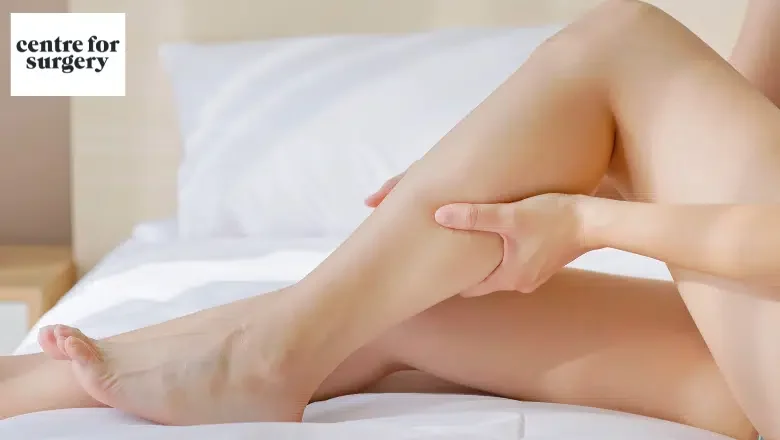
When lymphoedema leads to the accumulation of surplus fat tissue, liposuction can effectively address the long-lasting consequences of this condition. Continue reading to understand more about lymphoedema and determine if liposuction is a suitable treatment option for you.
What is lymphoedema?
Lymphoedema is a chronic condition characterised by the swelling of body parts, typically affecting the arms or legs, due to the accumulation of lymphatic fluid. This swelling occurs when the lymphatic system, which is responsible for filtering and draining excess fluid from tissues, doesn’t function properly.
What Causes Lymphoedema?
The causes of lymphoedema are determined by whether the condition is primary or secondary:
This type is less common and is typically caused by genetic or developmental abnormalities in the lymphatic system. It may be present at birth (congenital lymphoedema) or develop later in life with no clear cause (late-onset lymphoedema). Primary lymphoedema can result from conditions such as Milroy’s disease, Meige’s disease, or lymphedema praecox, where the lymphatic system doesn’t develop properly or is underdeveloped.
This type is more common and occurs as a consequence of damage to the lymphatic system or blockage of the lymphatic vessels. Common causes of secondary lymphoedema include:
Lymphoedema can develop following surgery or radiation therapy for cancer, particularly in breast cancer patients, where lymph nodes are removed or damaged. The removal or damage to lymph nodes disrupts the normal flow of lymphatic fluid, leading to accumulation and swelling.
Parasitic infections, such as filariasis (common in tropical regions), can cause damage to the lymphatic system. Bacterial or fungal infections in the affected limb can also lead to secondary lymphoedema.
Accidents or injuries that damage the lymphatic vessels can lead to lymphoedema. This can include burns, wounds, or even excessive tissue removal during surgery.
Certain inflammatory diseases, like rheumatoid arthritis or severe eczema, can cause damage to the lymphatic system and result in lymphoedema.
Chronic venous insufficiency, where veins struggle to transport blood back to the heart, can cause increased pressure and fluid accumulation in the tissues, leading to lymphoedema.
Excess weight can put added pressure on the lymphatic system, making it difficult for lymphatic fluid to drain properly and leading to the development of lymphedema.
What are the symptoms and signs of lymphoedema?
The symptoms and signs of lymphoedema can vary depending on the severity and stage of the condition, but may include the following:
The most common and noticeable symptom of lymphoedema is swelling in the affected limb(s). This swelling can extend to the fingers or toes and may occur gradually or suddenly. In the early stages, the swelling may be mild and temporary, but over time, it can become more persistent and pronounced.
Individuals with lymphoedema often experience a feeling of heaviness, tightness, or discomfort in the affected area. This sensation can be accompanied by aching or pain, particularly after physical activity or prolonged periods of standing or sitting.
As the swelling increases, it can restrict the range of motion in the affected limb, making it difficult to move the joints and perform daily activities.
Over time, lymphoedema can lead to changes in the skin, such as hardening or thickening (fibrosis), which may cause the skin to feel tight or less elastic. Additionally, the skin may appear discoloured or develop a rough, bumpy texture.
Lymphoedema can increase the risk of infections in the affected area, such as cellulitis, a bacterial skin infection. Individuals with lymphoedema may experience recurrent infections, which can further exacerbate the condition and lead to additional complications.
In some cases, the swelling may become so severe that pressing the skin with a finger leaves an indentation or “pit” that takes time to rebound. This is known as pitting oedema and can be a sign of advanced lymphoedema.
The physical symptoms of lymphoedema can also lead to emotional and psychological distress, including anxiety, depression, or feelings of self-consciousness related to body image.
Can liposuction help lymphoedema?
Liposuction, a surgical procedure that removes excess fat from specific areas of the body, may be beneficial in treating certain cases of lymphoedema, particularly when conservative treatments have not yielded significant improvement. It is essential to note that liposuction is not a first-line treatment for lymphedema and should only be considered after exhausting all other non-invasive options.
Lymphoedema is a chronic condition characterised by the accumulation of lymphatic fluid in the body’s tissues, typically affecting the arms or legs. It occurs due to a malfunctioning lymphatic system, which is responsible for filtering and draining excess fluid from tissues. The primary treatment options for lymphoedema include compression therapy, manual lymphatic drainage, skincare, and exercise.
In cases where lymphoedema has persisted over an extended period, excess fat may accumulate in the affected limb. This can exacerbate the symptoms and make it more challenging to manage the condition using traditional methods. In such situations, liposuction may be considered an adjunctive treatment option to help reduce the volume of the affected limb and alleviate associated symptoms.
The liposuction procedure for lymphoedema involves the removal of excess fat deposits from the affected limb using a thin, hollow tube called a cannula, which is inserted through small incisions in the skin. The surgeon then moves the cannula back and forth to break up and suction out the fat. It is essential to understand that liposuction does not address the underlying issue of impaired lymphatic function, and patients will still need to continue with compression therapy and other lymphoedema management strategies after the procedure.
RELATED: Lymphatic Drainage Massage After Liposuction
There are some potential risks and complications associated with liposuction for lymphoedema, including infection, bleeding, scarring, and uneven skin contours. Additionally, the procedure may not provide a complete resolution of symptoms or prevent the condition from progressing.
To determine if liposuction is an appropriate treatment option for lymphoedema, it is crucial to consult with a plastic surgeon at Centre for Surgery who is experienced in treating the condition. They will assess the severity of the lymphoedema, the patient’s overall health, and the effectiveness of conservative treatments before making any recommendations for surgical intervention.
Learn more about liposuction for treating lymphoedema by contacting Centre for Surgery today
If you’re seeking liposuction for lymphoedema, Centre for Surgery is an outstanding choice for several reasons. Some of the key factors that make patients choose Centre for Surgery are:
Our team of plastic surgeons is highly skilled and experienced in performing liposuction procedures. They use the latest techniques and equipment to ensure that patients achieve optimal results.
Our fully equipped facility in Marylebone, London, is modern and outfitted with the latest technology and equipment to ensure patient safety and comfort.
We take a personalised approach to each patient’s care, conducting thorough consultations to assess their needs and goals and developing a customised treatment plan.
Our team of medical professionals provides exceptional aftercare to ensure a smooth and successful recovery. We are available to answer any questions or concerns that patients may have during the recovery period.
Patient safety and quality of care are our top priorities at Centre for Surgery. We are registered with the Care Quality Commission and adhere to the highest standards of safety and quality.
We offer transparent pricing for our liposuction procedures, with no hidden fees or surprises. Our pricing is competitive and includes all aspects of the procedure, from the initial consultation to aftercare.
Our patients consistently report positive experiences with Centre for Surgery, with many praising our attentive and compassionate care, experienced surgeons, and excellent results.
To schedule an in-person consultation at our Baker Street clinic, please call us today at 0207 993 4849 or complete the contact form below.
If you have a question about a treatment, or you would like to find out more about how we can help you, call us on 0207 993 4849 or fill in the form below and one of our patient care coordinators will contact you to book a consultation with a specialist practitioner
Subscribe to our newsletter for the latest updates and special offers
To continue, please confirm you have read and understood our Privacy Policy
Send
PLEASE NOTE: we may not be able to process your enquiry without a valid mobile number.
Filed Under: Body Surgery
Share this post
Primary Sidebar
I agree to receive marketing communications from Centre for Surgery (more information)
I agree to receive marketing communications from Centre for Surgery (more information)
Centre for Surgery, located in London, UK, is at the forefront of plastic and cosmetic surgery. As a specialist private hospital, we offer a full range of procedures like rhinoplasty, eyelid surgery, facelift surgery, and a full range of breast surgeries, including breast augmentation, breast lift, and breast reduction. We also offer gynecomastia surgery for men, liposuction, tummy tuck procedures, Brazilian Butt Lift (BBL), mummy makeover, and labiaplasty. Our dedication to excellence stems from our commitment to working with top-tier medical professionals and employing proven techniques.
Our state-of-the-art private hospital is located on the iconic Baker Street in central London. Call us today to book an in-person consultation.
95-97 Baker Street
Marylebone
London
W1U 6RN
0207 993 4849 | 9am – 6pm Mon – Sat